0212 588 42 48
Weekdays 08:00 - 18:00


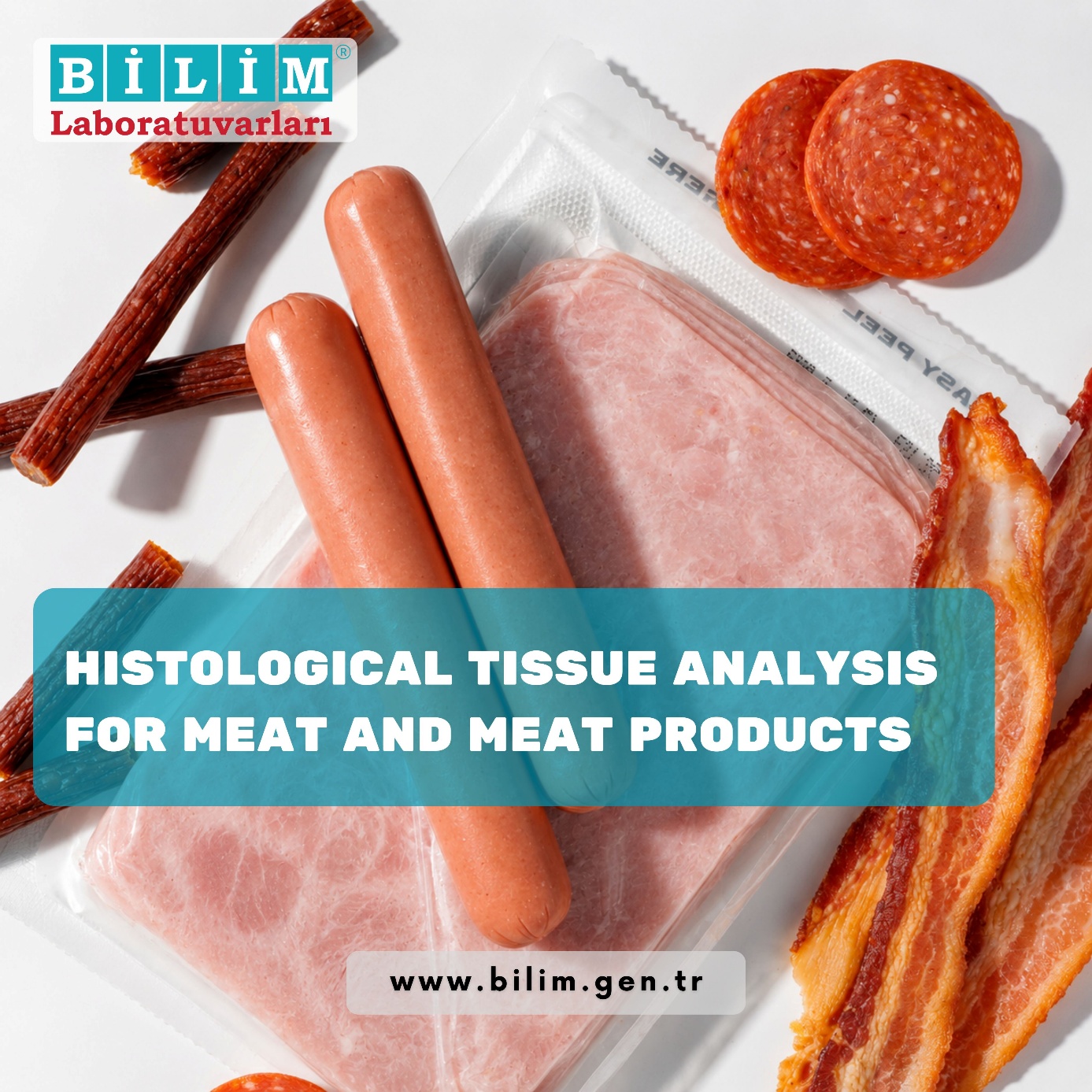
While chemical analyses provide valuable information about a product’s composition, the evaluation of food fraud and adulteration at the tissue level is performed through Histological Tissue Analysis. This analysis examines the microscopic tissue structure of the product to scientifically assess tissue components that are permitted, restricted, or prohibited under the applicable legislation.
Histological Tissue Analysis is carried out in accordance with the Turkish Food Codex Communiqué on Meat, Prepared Meat Mixtures and Meat Products, enabling the microscopic evaluation of the product’s tissue structure. This allows the presence of tissue components that are prohibited or subject to regulatory restrictions to be identified, providing scientific verification of the product’s compliance with the legislation.
Particularly for processed meat products such as minced meat, meatballs, fermented sausages (sucuk), sausages, and similar products, Histological Tissue Analysis contributes to:
Being included in the food fraud and adulteration lists published by the Turkish Ministry of Agriculture and Forestry may result not only in administrative sanctions but also in significant reputational damage for manufacturers. Therefore, Histological Tissue Analysis is an important analytical tool that supports quality assurance programs and helps identify potential non-compliances at an early stage.
As one of the few laboratories in Türkiye authorized by the Turkish Ministry of Agriculture and Forestry and accredited to ISO/IEC 17025 to perform Histological Tissue Analysis, Bilim Laboratory provides reliable, impartial, and regulation-compliant testing services for food manufacturers.
For more information about Histological Tissue Analysis or to submit samples for testing, please contact us.
